






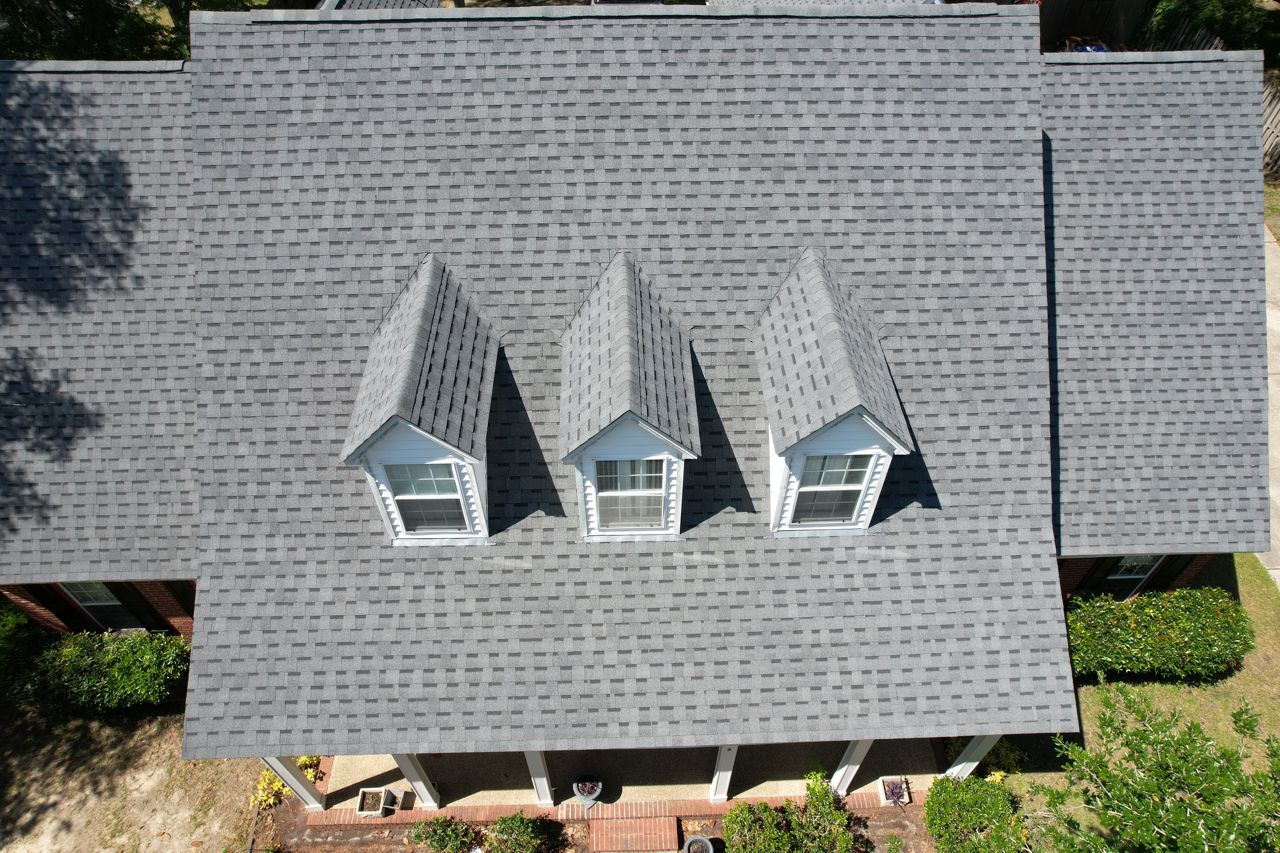
What Is The Best Roof Type For Your Money in Biloxi, MS?
Picture this: you’re standing in your Biloxi driveway after Hurricane Francine rolled through last September, staring up at damaged shingles scattered across your yard like confetti. The insurance adjuster is coming tomorrow, and suddenly you’re asking the same question thousands of Mississippi Gulf Coast homeowners face each year—what roof will protect my investment without draining my bank account?
Here’s the truth most roofing contractors won’t tell you upfront: the “cheapest” roof and the “best value” roof are rarely the same thing. After helping hundreds of families navigate storm damage claims and roof replacements across Biloxi, Ocean Springs, and Gulfport, we’ve learned that savvy homeowners think beyond the initial price tag.
The Real Cost of Roofing: It’s Not What You Think
Most homeowners focus on that big, scary number—the upfront installation cost. But here’s what actually determines your roof’s value: how long it lasts, how much maintenance it requires, energy savings, insurance discounts, and whether it can survive our Gulf Coast storms without leaving you filing another claim in two years.
Take Whitney, one of our clients who recently shared her experience: “Matt was thorough and transparent, and he completed the job quickly!” But her story started with confusion about roofing options and pricing. Like many homeowners, she initially focused only on the lowest bid until we walked her through the true long-term value of different materials and proper installation techniques.
After explaining how quality materials and FORTIFIED construction could protect her investment and potentially reduce insurance costs, Whitney chose a solution that balanced upfront cost with long-term protection. The result? A roof that performed exactly as promised and a satisfied customer who recommends us to her neighbors.
Asphalt Shingles: The Reliable Workhorse
Let’s start with what covers most homes along the Mississippi coast. Asphalt shingles aren’t glamorous, but they’re popular for good reason. Asphalt composite shingles are the most popular roofing material in North America.
3-Tab Shingles: Budget-Friendly Basics –
- Cost: $3,000-$7,000 for a typical home
- Lifespan: 15-20 years
- Best for: Starter homes, rental properties, tight budgets
These thin, lightweight shingles get the job done but won’t win any beauty contests. They’re like the reliable Honda Civic of roofing—not exciting, but they’ll get you where you need to go. In our coastal climate with salt air and occasional hurricanes, expect a lifespan of approximately 15 years before replacement.
The biggest advantage? Every roofer in Mississippi knows how to install them properly. Parts are readily available, repairs are straightforward, and if you need emergency work after a storm, you won’t struggle to find qualified contractors.
Architectural Shingles: The Sweet Spot
- Cost: $5,000-$12,000 for a typical home
- Lifespan: 25-30 years
- Best for: Long-term homeowners wanting curb appeal
Here’s where things get interesting. Architectural shingles cost about 30% more than 3-tab but last nearly twice as long. They’re thicker, more wind-resistant, and look good on your home. For most Biloxi families, this is the goldilocks zone—not too cheap, not too expensive, but just right.
These shingles also perform better in our climate. The extra thickness helps them resist wind uplift, and their dimensional design sheds water more effectively during our heavy Gulf Coast downpours.
Designer/Premium Shingles: Luxury Without the Price Tag
- Cost: $8,000-$15,000 for a typical home
- Lifespan: 30-50 years
- Best for: High-end homes, storm-prone areas
These heavyweight champions mimic the look of slate or cedar at a fraction of the cost. If you live near the water where wind exposure is higher, the extra durability pays dividends. Many come with impact ratings that qualify for insurance discounts, making them smarter investments than their price suggests.
Metal Roofing: The Investment That Pays Back
Drive through any newer subdivision in Biloxi, and you’ll spot more metal roofs than ever before. There’s a reason for this trend—metal roofing delivers serious long-term value, especially in our storm-heavy region.
Standing Seam Metal: The Hurricane Fighter
- Cost: $12,000-$20,000 for a typical home
- Lifespan: 40-70 years
- Best for: Long-term homeowners, storm zones
Yes, metal costs roughly twice as much as asphalt upfront. But here’s the math homeowners love: you could pay twice as much for a metal roof as an asphalt shingle roof and still get a better value in the long term. A metal roof will last over twice as long while saving you money on your monthly energy bills.
This value becomes even clearer when you’re dealing with insurance claims after storm damage. As Marsha, one of our clients, shared: “Professional, fast, and honest. Ensured Roofing made my insurance claim process seamless!” Our insurance expertise helps homeowners understand how upgrading to premium materials like metal can qualify for discounts that offset higher upfront costs.
Metal roofing excels in our coastal environment because it resists salt air corrosion, handles extreme temperature swings, and reflects heat that would otherwise bake through into your attic. Studies funded by the U.S. Department of Energy found that metal roofing can deliver up to 25% reductions in cooling costs and a 45% decrease in heat flow. The panels interlock tightly, creating a barrier that keeps wind-driven rain out even during the most severe storms.
Screw-Down Metal Panels: Budget-Friendly Metal Option
- Cost: $8,000-$14,000 for a typical home
- Lifespan: 25-40 years
- Best for: Rural homes, outbuildings, budget-conscious buyers
These systems attach directly to the roof deck with visible screws, making them less expensive to install than standing seam. While not quite as sleek-looking, they still provide excellent durability and energy efficiency at a more accessible price point.
Stone-Coated Steel: Beauty Meets Beast
- Cost: $10,000-$18,000 for a typical home
- Lifespan: 50+ years
- Best for: Homeowners wanting style and durability
These systems give you the appearance of traditional shingles with the strength of steel underneath. They’re particularly well-suited for coastal homes where salt air can erode standard materials, and many homeowners prefer their traditional look over standing seam profiles.
Flat Roofing: Solutions for Modern Design
While most Biloxi homes feature sloped roofs, flat roofing systems are increasingly popular for additions, garages, and modern architectural designs. They also cover many commercial buildings throughout the Gulf Coast.
EPDM (Rubber) Roofing: The Reliable Membrane
- Cost: $4,000-$8,000 for a typical flat area
- Lifespan: 15-25 years
- Best for: Low-slope roofs, additions, budget projects
EPDM rubber roofing comes in large sheets that minimize seams—the biggest vulnerability in any flat roof system. It handles our climate’s temperature swings well and resists UV damage from our intense Gulf Coast sun. Installation is relatively straightforward, keeping labor costs reasonable.
The key to EPDM success is proper drainage. In our area’s heavy rainfall, standing water becomes the enemy of any flat roof system.
TPO (Thermoplastic) Roofing: Energy-Efficient Choice
- Cost: $5,000-$10,000 for a typical flat area
- Lifespan: 15-20 years
- Best for: Energy efficiency, commercial buildings
TPO’s white surface reflects heat effectively, making it popular for reducing cooling costs. It’s heat-welded at seams, creating a waterproof barrier that effectively handles our humid conditions. While slightly more expensive than EPDM, the energy savings often justify the extra cost.
Built-Up Roofing (BUR): The Traditional Flat Roof
- Cost: $6,000-$12,000 for a typical flat area
- Lifespan: 20-30 years
- Best for: Heavy traffic areas, long-term durability
Multiple layers of roofing felt and hot asphalt create an incredibly durable surface. A properly installed BUR roof can last 20 to 30 years. The gravel surface helps protect against UV damage and provides excellent fire resistance. However, installation requires specialized equipment and expertise.
The Hidden Factors That Affect Your ROI
Insurance Considerations & Available Grants
Many homeowners are unaware that their choice of roof can directly impact their insurance premiums. Impact-resistant shingles, metal roofing, and FORTIFIED construction can earn significant discounts. Our insurance expertise helps clients maximize these savings, often offsetting the cost difference between basic and premium materials.
Mississippi’s Hurricane Mitigation Grant Program
Even better news: Mississippi offers grants up to $10,000 through the Comprehensive Hurricane Damage Mitigation Program to help homeowners upgrade to FORTIFIED construction standards. We help clients determine eligibility and navigate the application process for these valuable grants that can significantly reduce their out-of-pocket costs for premium roofing systems.
The program prioritizes:
- Homes in high-risk coastal counties (including Harrison County, where Biloxi is located)
- FORTIFIED construction upgrades
- Low-to-moderate income households
- Properties that haven’t received previous mitigation funding
For flat roofs, proper drainage and wind-uplift resistance become critical factors for insurance coverage, especially in our hurricane-prone region. FORTIFIED standards address these concerns with specific requirements for flat roof attachment and drainage systems.
Energy Efficiency
In our hot, humid climate, reflective roofing materials can dramatically reduce cooling costs. Light-colored metal roofs and TPO membranes can cut summer energy bills by 10-25%. Dark asphalt shingles absorb heat, while white or light-colored surfaces reflect it away from your home.
Over a 30-year lifespan, that’s thousands in savings—money that often pays for the premium you spent on energy-efficient materials.
Resale Value
A well-installed and durable roof might cost more upfront. But it can save you money over time – this investment can make your home more interesting to possible buyers. Premium roofing materials typically return 60-70% of their cost at resale, while also making your home more attractive to buyers.
Buyers particularly value metal roofing and architectural shingles because they suggest lower maintenance costs and better storm protection.
Storm Damage Prevention & FORTIFIED Construction
Here’s the big one for Gulf Coast homeowners: choosing materials and installation methods that prevent future claims. As FORTIFIED-certified contractors, we specialize in hurricane-resistant construction that goes far beyond standard building codes.
What FORTIFIED Really Means for Your Family
FORTIFIED isn’t just another construction standard—it’s a comprehensive system designed specifically for homes in hurricane zones like ours. Developed by the Insurance Institute for Business & Home Safety after studying thousands of storm-damaged homes, FORTIFIED construction addresses the three main ways hurricanes destroy roofs:
- Wind Uplift: Enhanced fastening and sealed roof decks prevent wind from getting under your roof system
- Water Intrusion: Sealed roof deck and enhanced barriers keep wind-driven rain out, even if shingles blow off
- Impact Damage: Strategic reinforcement protects against flying debris
The Financial Benefits Are Massive
Homeowners with FORTIFIED roofs typically see:
- Insurance discounts up to 35% on wind/hail coverage
- Reduced claim frequency by up to 80% during major storms
- Faster claim resolution when damage does occur
- Higher resale values due to proven storm resistance
We’ve seen homes with properly installed FORTIFIED metal roofing sail through hurricanes while neighbors with basic shingles faced complete replacements. More importantly, FORTIFIED homeowners sleep better knowing their families are protected by construction standards specifically designed for our region’s extreme weather.
Regional Realities: What Works Best in Biloxi
Living along the Mississippi coast means dealing with:
- Hurricane-force winds
- Salt air corrosion
- High humidity
- Temperature swings
- Heavy rainfall
These conditions make some materials shine and others struggle. Asphalt shingles need wind ratings of at least 110 mph. Metal roofing excels in our climate due to its resistance to corrosion and extreme weather. Flat roof systems must handle standing water and wind uplift.
For Sloped Roofs:
Metal performs best in the long term, while architectural shingles offer the best value for most budgets.
For Flat Areas:
TPO and EPDM handle our climate well, while BUR provides maximum durability for high-traffic areas.
The Installation Factor: Why It Matters More Than Materials
Here’s something most homeowners overlook: installation quality affects your roof’s lifespan more than the materials themselves. We’ve seen premium shingles fail in five years due to poor installation, and basic materials last 25 years when properly installed.
This is why we focus on:
- Proper deck preparation
- Ice and water shield in vulnerable areas
- Hurricane straps and enhanced fastening
- Adequate ventilation systems
- Quality flashing around penetrations
- Proper drainage for flat roof systems
Making the Smart Choice for Your Situation
For Budget-Conscious Homeowners: Architectural asphalt shingles offer the best balance of cost, performance, and appearance. Focus on proper installation with enhanced wind ratings.
For Long-Term Value Seekers: Metal roofing pays for itself through longevity, energy savings, and reduced maintenance. The higher upfront cost becomes irrelevant over time.
For Flat Roof Areas: TPO provides the best balance of performance and energy efficiency, while EPDM offers proven reliability at a lower cost.
For Storm-Prone Areas: Prioritize FORTIFIED construction standards, impact ratings, and wind resistance regardless of material choice. As certified FORTIFIED contractors, we ensure your roof meets the highest hurricane-resistance standards available
The Bottom Line on Roof Value
The “best” roof for your money depends on your timeline, budget, and priorities. However, here’s what we advise every client: don’t make this decision solely based on upfront cost.
Factor in:
- Lifespan and replacement costs
- Energy savings potential
- Insurance premium impacts
- Maintenance requirements
- Resale value implications
- Storm damage prevention
Most importantly, choose a FORTIFIED-certified contractor who understands insurance claims, local building codes, and hurricane-resistant construction standards. The most expensive materials won’t help if they’re not installed to withstand our region’s extreme weather conditions.
Your Next Steps
Still not sure which roof type offers the best value for your specific situation? We get it. Every home and budget is different, and Mississippi’s coastal climate presents unique considerations that most contractors may not fully understand.
That’s why we offer free, no-obligation roof inspections with detailed reports that show the current condition, recommended improvements, and clear explanations of how different materials would perform on your specific home. We’ll also help you understand potential insurance benefits, FORTIFIED construction upgrades, and available grant opportunities through Mississippi’s Hurricane Mitigation Program that could significantly reduce your project costs.
Don’t wait until the next storm to make this critical decision. Whether you’re dealing with current damage or planning ahead, our experienced team will help you choose the roofing solution that protects your investment while fitting your budget.
Ready to Get Started?
Ensured Roofing has served Biloxi, Ocean Springs, Gulfport, Long Beach, Pass Christian, and surrounding communities for years, helping homeowners navigate everything from emergency repairs to complete roof replacements. As FORTIFIED-certified contractors, our locally owned team understands the unique roofing challenges, insurance requirements, and available grant programs in Mississippi. Contact us today for honest guidance on the best roof for your money.
Frequently Asked Questions About Choosing the Best Roof Type For Your Money in Biloxi, MS
1. What is the average cost of roof replacement in Biloxi, Mississippi?
The average roof replacement cost in Biloxi, MS, ranges from $5,000 to $15,000, depending on your home’s size, roofing material choice, and installation complexity. For a typical 1,500-square-foot home, expect to pay:
- Asphalt shingles: $4,000-$9,000 (most affordable option)
- Architectural shingles: $6,000-$12,000 (best value for most homeowners)
- Metal roofing: $10,000-$18,000 (premium long-term investment)
- Flat roof systems: $4,000-$10,000 (varies by membrane type)
Several factors influence your final roofing cost in Biloxi, including roof pitch, accessibility, permit requirements, and whether old roofing materials need to be removed. Hurricane-resistant upgrades and FORTIFIED construction standards may increase upfront costs, but often qualify for insurance discounts that offset the investment. Always request detailed written estimates from licensed contractors to understand what’s included in your roofing project.
2. Which roof material provides the best hurricane protection for homes in Biloxi?
For maximum hurricane protection in Biloxi’s coastal environment, metal roofing offers superior wind resistance, withstanding winds up to 160 mph when properly installed. However, the best hurricane-resistant roof depends on both material and installation methods:
Top Hurricane-Resistant Options:
- Metal roofing (standing seam or stone-coated steel) – excellent wind resistance and impact protection
- FORTIFIED construction with any material – addresses wind uplift, water intrusion, and impact damage
- Premium architectural shingles with enhanced wind ratings (110+ mph)
- Reinforced flat roof systems with proper drainage and wind-uplift resistance
The key to hurricane protection isn’t just the material—it’s proper installation following FORTIFIED standards. This includes sealed roof decks, enhanced fastening systems, hurricane straps, and impact-resistant materials. As FORTIFIED-certified contractors, we ensure your roof meets the highest hurricane-resistance standards available, regardless of the material you choose.
3. How long do different roof types last in Mississippi's coastal climate?
Mississippi’s humid subtropical climate, combined with exposure to salt air and hurricane threats, significantly affects roof longevity. Below is what you can expect from different materials in our coastal environment.
Realistic Lifespan Expectations:
- 3-tab asphalt shingles: 15-20 years (shorter due to UV exposure and storms)
- Architectural shingles: 25-30 years (better performance in coastal conditions)
- Metal roofing: 40-70 years (excellent corrosion resistance)
- EPDM flat roofing: 15-25 years (handles temperature swings well)
- TPO flat roofing: 15-20 years (energy-efficient but shorter lifespan)
Factors that reduce roof lifespan in Biloxi include intense UV radiation, high humidity, salt air corrosion, thermal cycling, and storm damage. Proper ventilation, regular maintenance, and quality installation significantly impact longevity. Metal roofing performs exceptionally well in our climate due to its corrosion resistance and thermal properties, whereas asphalt materials may require more frequent replacement than in drier climates.
4. Do I need building permits for roof replacement in Biloxi, Mississippi?
Yes, building permits are required for roof replacement projects in Biloxi, Mississippi. The permitting process ensures your new roof meets local building codes, wind resistance requirements, and safety standards essential for our hurricane-prone region.
Biloxi Permitting Requirements:
- Residential roof replacement requires permits regardless of the material type
- Commercial roofing projects need additional structural and fire safety approvals
- Emergency repairs may have expedited permitting processes
- FORTIFIED construction may require additional documentation and inspections
Reputable roofing contractors typically handle permit applications as part of their service, including fees in their estimates. The permit process involves plan review, material specifications, and final inspections to ensure work meets International Building Code standards and local wind load requirements. Working with licensed contractors familiar with Biloxi’s requirements ensures smooth permit approval and proper code compliance.
5. What roofing materials offer the best energy efficiency in Biloxi's hot climate?
In Biloxi’s hot, humid climate, choosing energy-efficient roofing materials can significantly reduce cooling costs and improve home comfort. The most energy-efficient options reflect heat rather than absorbing it:
Top Energy-Efficient Materials:
- Light-colored metal roofing: Reflects up to 70% of solar radiation, reducing cooling costs by 10-25%
- TPO flat roofing: White surface reflects heat effectively, ideal for low-slope applications
- Cool-colored asphalt shingles: Specially designed granules reflect more heat than standard options
- Reflective roof coatings: Can be applied to existing roofs for improved energy performance
Studies funded by the U.S. Department of Energy show that reflective roofing materials can reduce cooling costs by up to 25% in hot climates like ours. The key factors are solar reflectance (how much sunlight bounces off) and thermal emittance (how well the roof releases absorbed heat). Proper attic ventilation also plays a crucial role in energy efficiency, regardless of material choice. Our team can help you select the most energy-efficient solution for your specific home and budget, potentially qualifying for utility rebates and tax credits.