






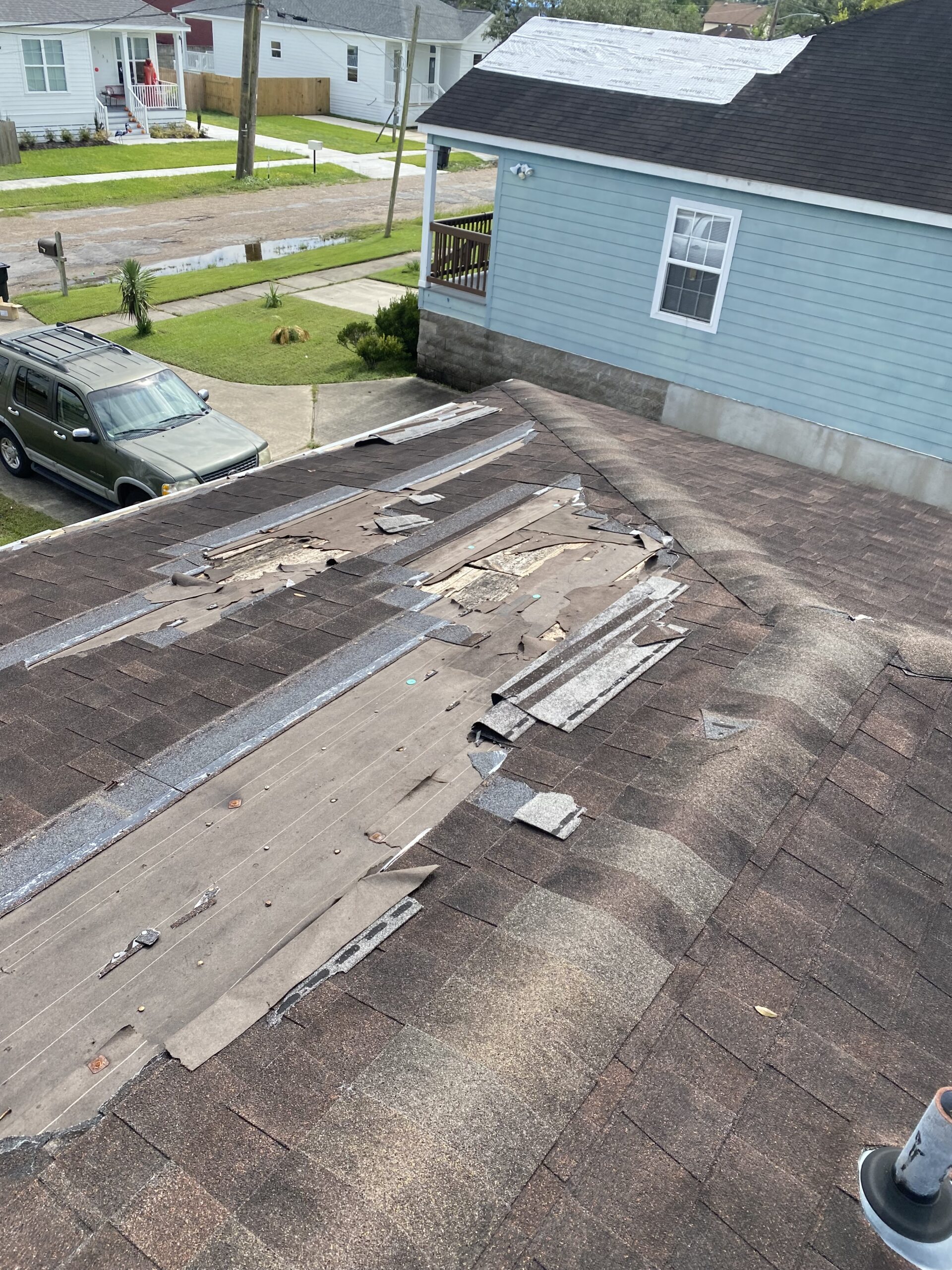
When a storm hits the Mississippi Gulf Coast, most homeowners assume their insurance company will take care of everything.
Unfortunately, that’s not always how it works.
At Ensured Roofing, we’ve worked with hundreds of homeowners across Biloxi, Ocean Springs, Gulfport, and surrounding areas—and we’ve seen the same pattern over and over:
👉 Homeowners trust the process
👉 Insurance companies minimize the payout
👉 Critical damage gets overlooked
This guide breaks down what insurance companies don’t tell you—so you can protect your home and your investment.
Insurance Adjusters Are Not Always Looking for Full Replacement
Insurance companies are in business to manage risk—and that often means limiting how much they pay on claims.
After storm damage, adjusters may:
- Approve repairs instead of full replacement
- Only pay for one slope or section of the roof
- Miss underlying damage (like decking or ventilation issues)
👉 What they don’t tell you:
A partial repair can leave your roof vulnerable and may not meet current building codes.
Code Upgrades Are Often Left Out of Initial Estimates
Many Mississippi homes require upgrades to meet current building codes after storm damage.
Common examples include:
- Upgrading to 5/8” roof decking
- Proper nailing patterns for wind resistance
- Enhanced underlayment systems
👉 What they don’t tell you:
These upgrades are often covered by your policy, but only if they are properly documented and requested.
You May Be Owed More Money (Recoverable Depreciation Explained)
Most policies include something called recoverable depreciation.
Here’s what that means:
- Insurance holds back a portion of your claim
- You receive the remaining funds after the work is completed
👉 What they don’t tell you:
If you don’t follow the correct process or submit documentation, you may never receive that money.
Hidden Damage Is Common—and Often Missed
Storm damage isn’t always obvious from the ground.
We regularly find:
- Soft or rotted decking
- Leaks around pipe boots and valleys
- Improper previous repairs
- Ventilation issues causing long-term damage
👉 What they don’t tell you:
If it’s not documented during the claim process, it likely won’t be covered later.
You Have the Right to Challenge the Insurance Decision
If your claim feels incomplete or underpaid—you are not stuck with that decision.
Options may include:
- Requesting a re-inspection
- Providing additional documentation
- Utilizing the appraisal process
👉 What they don’t tell you:
Many homeowners who push back end up receiving significantly higher claim approvals.
Real Mississippi Case Study: From Half Roof to Full Replacement
We recently worked with a homeowner where the insurance company initially only approved half of the roof.
After a detailed inspection and months of working through the process:
✔ The full roof was approved
✔ 5/8” decking was added across the entire home
✔ The homeowner ended up with a safer, code-compliant system
👉 This happens more often than people realize.
How to Protect Yourself After Storm Damage
If your home has been impacted by a storm, here’s what we recommend:
- Get a professional roof inspection (not just the adjuster’s opinion)
- Document everything thoroughly
- Don’t rush into accepting the first settlement
- Work with a contractor experienced in insurance claims
Free Insurance Claim Review – Know Where You Stand
At Ensured Roofing, we specialize in helping Mississippi homeowners navigate the insurance process the right way.
We’ll:
- Review your insurance estimate
- Identify missing items or code requirements
- Help you understand your options clearly
📞 Call us today: 228-797-7667
🌐 Visit: www.ensuredroof.com
Ensured Roofing. Ensured Protection. Built for the Coast. Built to Last.
Serving Biloxi, Ocean Springs, Gulfport, Pascagoula, and the entire Mississippi Gulf Coast.