







Metal roofing has become one of the fastest-growing roofing options along the Mississippi Gulf Coast. Homeowners love the durability, longevity, energy efficiency, and modern coastal appearance that metal roofs provide.
But many homeowners don’t realize there are two very different types of metal roofing systems:
- Exposed Fastener Metal Roofs
- Hidden Fastener (Standing Seam) Metal Roofs
At first glance, they may look somewhat similar, but the performance, lifespan, maintenance requirements, and cost can be dramatically different.
If you’re considering a metal roof for your home or commercial property, understanding the differences between these two systems is extremely important — especially in coastal environments like Biloxi, Gulfport, Ocean Springs, Pascagoula, and the surrounding Mississippi Gulf Coast.
What Is an Exposed Fastener Metal Roof?
An exposed fastener roof system uses metal panels that are secured directly through the face of the metal using screws with rubber washers.
You’ll commonly hear these systems called:
- Screw-down metal roofs
- PBR panel roofs
- R-panel roofs
- Corrugated metal roofs
The screws remain visible after installation.
These systems are commonly used on:
- Residential homes
- Barns
- Workshops
- Agricultural buildings
- Shops
- Some commercial buildings
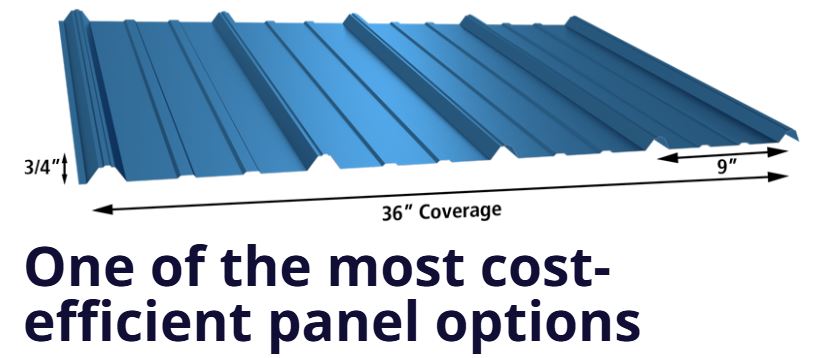
Advantages of Exposed Fastener Metal Roofs
1. Lower Upfront Cost
Exposed fastener systems are typically the most affordable type of metal roofing available.
For homeowners wanting the appearance and durability benefits of metal roofing without the higher cost of standing seam systems, this can be an attractive option.
2. Faster Installation
These systems install more quickly than hidden fastener systems, which can help reduce labor costs.
3. Strong Wind Performance
When properly installed, exposed fastener systems can still perform very well in high-wind environments common along the Gulf Coast.
4. Widely Available
Panels and accessories are readily available in many colors and profiles.
Downsides of Exposed Fastener Systems
1. Screws and Washers Eventually Age
This is the biggest drawback.
Because the screws penetrate directly through the metal panels, the rubber washers are constantly exposed to:
- UV rays
- Heat
- Expansion and contraction
- Salt air
- Heavy rain
- Hurricane conditions
Over time, washers can dry out, crack, shrink, or fail.
2. Maintenance Is Required
Exposed fastener roofs are not “install it and forget it” systems.
Over time, screws may:
- Back out slightly
- Loosen from expansion and contraction
- Require replacement
- Need periodic maintenance inspections
3. Higher Leak Potential Over Time
Every screw penetration is a potential future leak point if maintenance is ignored.
This doesn’t mean exposed fastener roofs are bad systems — it simply means homeowners should understand the maintenance expectations.
What Is a Hidden Fastener (Standing Seam) Metal Roof?
A hidden fastener system, commonly called a standing seam roof, conceals the fasteners beneath the panels instead of exposing them to the weather.
The panels lock together with raised seams, creating a cleaner appearance and helping protect the fastening system from the elements.
These systems are considered the premium option in residential metal roofing.
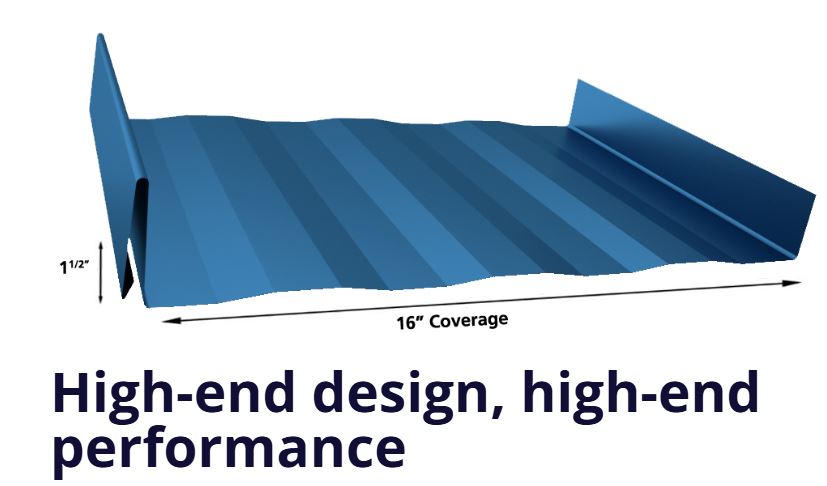
Advantages of Hidden Fastener (Standing Seam) Roofs
1. Superior Weather Protection
Because the screws are concealed beneath the panels, they are protected from:
- UV exposure
- Rain
- Salt air
- Direct weathering
This significantly reduces long-term leak risks.
2. Better Long-Term Performance
Standing seam systems are designed to allow for thermal movement as the metal expands and contracts.
This helps reduce stress on the roofing system over time.
3. Longer Lifespan
A properly installed standing seam roof can often last 40–70 years or more with minimal maintenance.
4. Cleaner Appearance
Many homeowners prefer the sleek, modern appearance of standing seam roofing.
These systems are especially popular on:
- Coastal homes
- Modern homes
- High-end residential properties
- Commercial buildings
5. Lower Maintenance
Compared to exposed fastener systems, standing seam roofs generally require far less long-term maintenance.
Downsides of Hidden Fastener Systems
1. Higher Initial Cost
Standing seam roofing systems are significantly more expensive upfront.
The increased cost comes from:
- More advanced panel systems
- Specialized trim details
- Increased labor
- Higher installation skill requirements
2. Installation Quality Is Critical
Standing seam roofing requires experienced installers.
Improper installation can create serious issues with:
- Oil canning
- Water intrusion
- Panel movement
- Flashing failures
Not every roofing contractor has the experience necessary to properly install hidden fastener systems.
Which Metal Roof Is Better for the Mississippi Gulf Coast?
Both systems can perform well when installed correctly, but there are major differences homeowners should consider.
Exposed Fastener Roofs Are Often Best For:
- Budget-conscious homeowners
- Workshops and outbuildings
- Agricultural buildings
- Rental properties
- Customers wanting lower upfront cost
Standing Seam Roofs Are Often Best For:
- Long-term homeowners
- Coastal and waterfront homes
- Customers wanting premium appearance
- Homeowners wanting minimal maintenance
- High-end residential properties
The Biggest Mistake Homeowners Make
One of the biggest mistakes we see is homeowners comparing metal roofs strictly by price.
Not all metal roofs are equal.
Important factors include:
- Metal thickness (gauge)
- Paint system quality
- Fastener quality
- Underlayment system
- Flashing details
- Coastal installation methods
- Installer experience
A cheap metal roof installed improperly can become a major problem in only a few years.
A properly installed system using quality materials can protect your home for decades.
Should You Install Metal Roofing Over Existing Shingles?
Many homeowners ask this question to reduce costs.
While it is sometimes allowed by code, installing metal directly over shingles is not always the best long-term solution.
Potential issues can include:
- Uneven substrate appearance
- Hidden decking problems
- Reduced ability to inspect wood decking
- Moisture concerns
- Fastener issues
For many homes, removing the existing roof allows for a much better finished product and provides the opportunity to upgrade the roofing system properly.
Final Thoughts: Which Metal Roof Should You Choose?
There is no universal answer.
The best roofing system depends on:
- Your budget
- Your long-term plans
- Your home’s location
- Your maintenance expectations
- Your appearance preferences
If you want the most economical metal roofing option, an exposed fastener system may be a great fit.
If you want maximum longevity, lower maintenance, and premium aesthetics, a hidden fastener standing seam roof is usually the superior option.
At Ensured Roofing, we help Gulf Coast homeowners compare roofing systems honestly so they can choose the best solution for their home, property, and long-term investment goals.
Check out the many styles and finishes from our supply partners Gulf Coast Supply & Manufacturing
Ensured Roofing
Ensured Protection. Built for the Coast. Built to Last.