






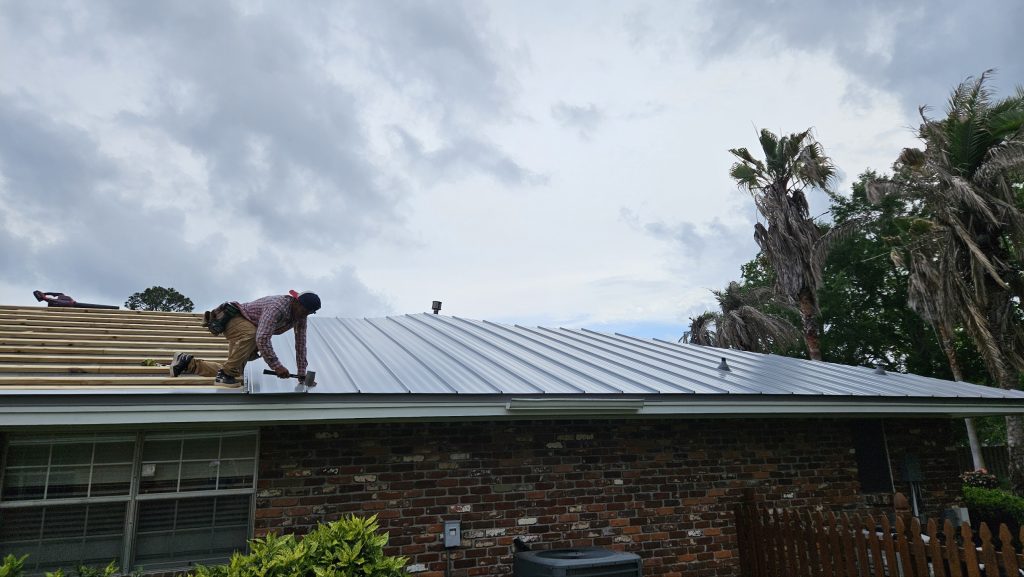
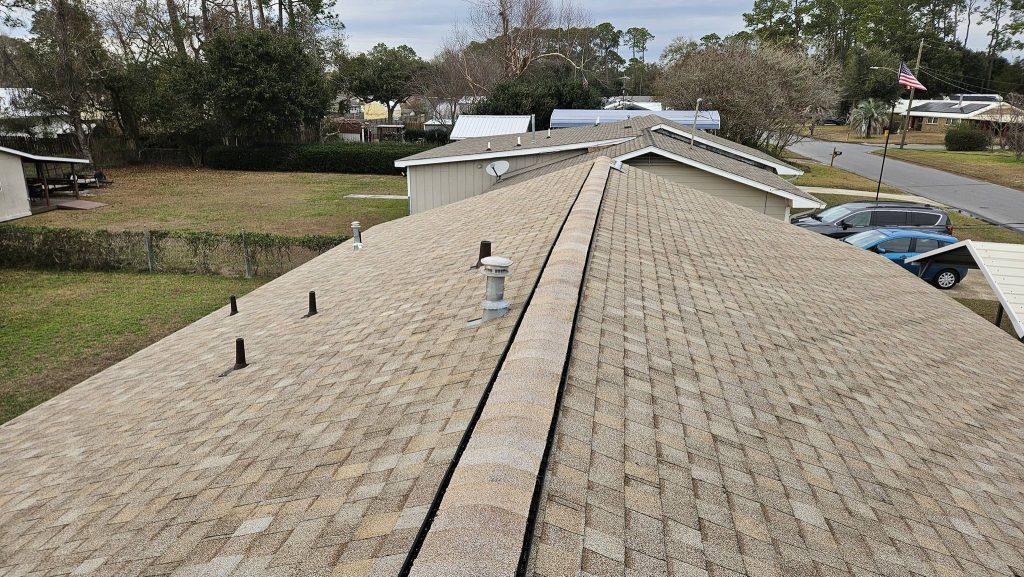
Living on the Mississippi Gulf Coast means your roof faces some of the harshest conditions in the country — intense sun, heavy rain, hurricane-force winds, salt air, and sudden temperature swings.
Homeowners in Biloxi, Ocean Springs, and Gautier often ask us:
“Should I go with metal or architectural shingles — and which actually lasts longer?”
Let’s break it down.
Durability in Coastal Wind & Storm Conditions


4
Metal Roofing
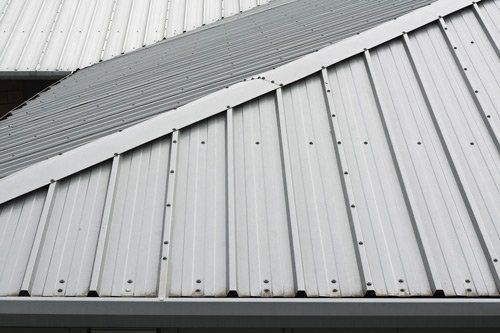
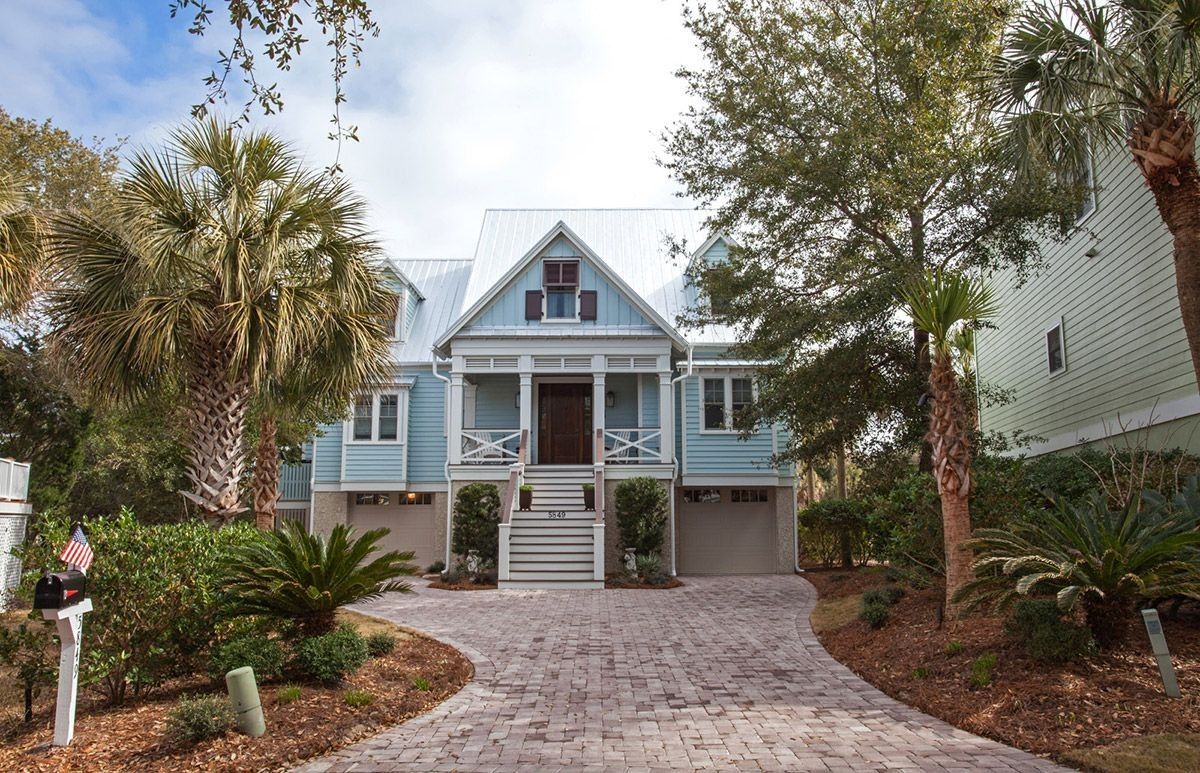
Metal roofing systems — especially standing seam or properly installed exposed-fastener systems — are engineered to resist uplift and shedding during high winds.
When installed correctly:
- Panels are mechanically fastened or clipped to the deck
- Seams are locked to reduce wind intrusion
- Underlayment provides a secondary moisture barrier
Metal roofs commonly withstand wind speeds well over 140 mph when built to coastal code.
Typical lifespan: 40–70 years
Architectural Shingles
Architectural shingles (also called dimensional shingles) are thicker and more durable than traditional 3-tab shingles. Modern versions often carry wind ratings between 110–130 mph when installed per manufacturer specs.
However, shingles rely on adhesive seals that weaken over time — especially in Gulf Coast heat and humidity.
Common failure points we see after storms:
- Lifted or missing shingles
- Nail pops
- Exposed decking
- Water intrusion around flashing
Typical lifespan: 20–30 years
Salt Air & Corrosion Resistance
4
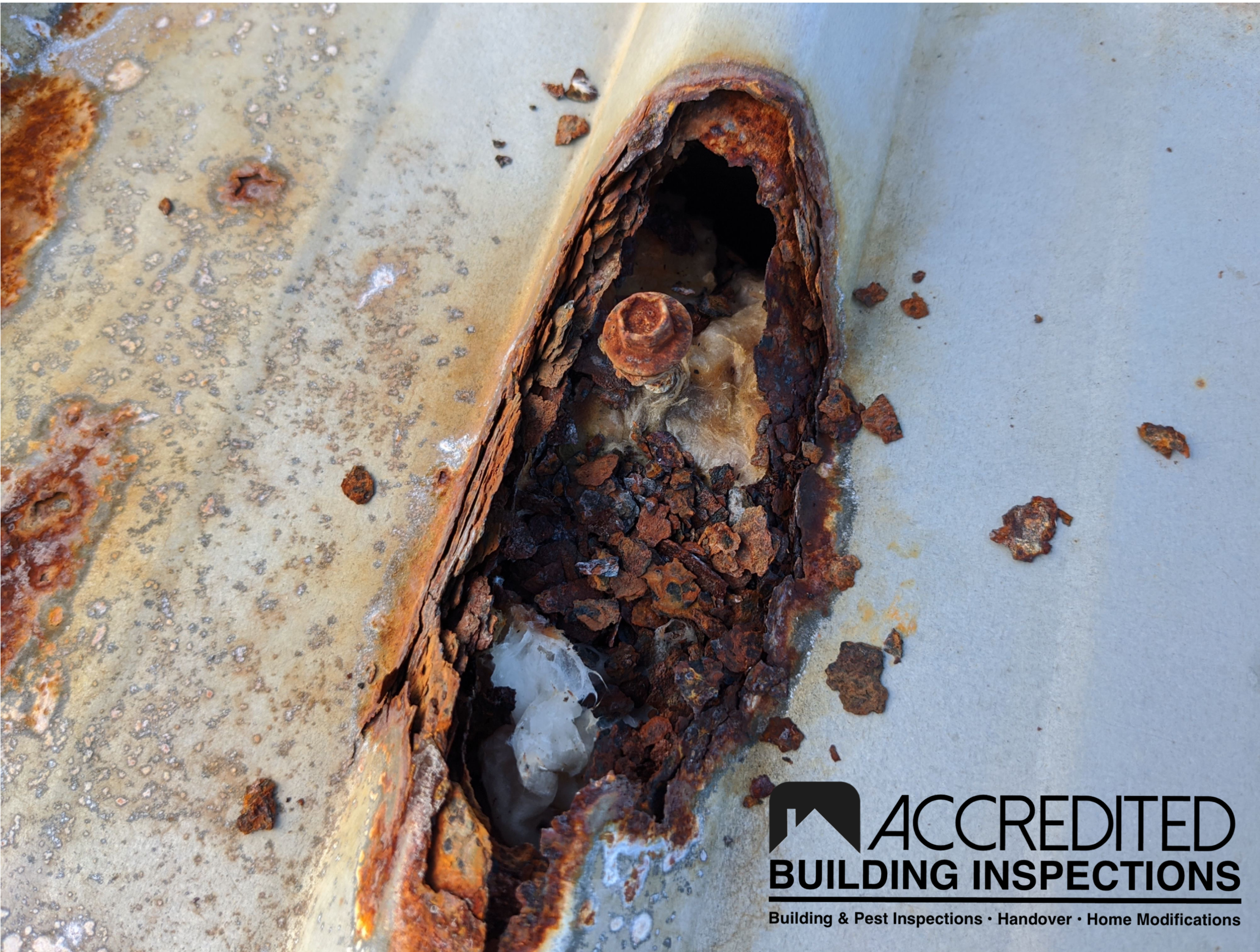
Salt air is one of the biggest silent roof killers along the coast.
Metal Roofs
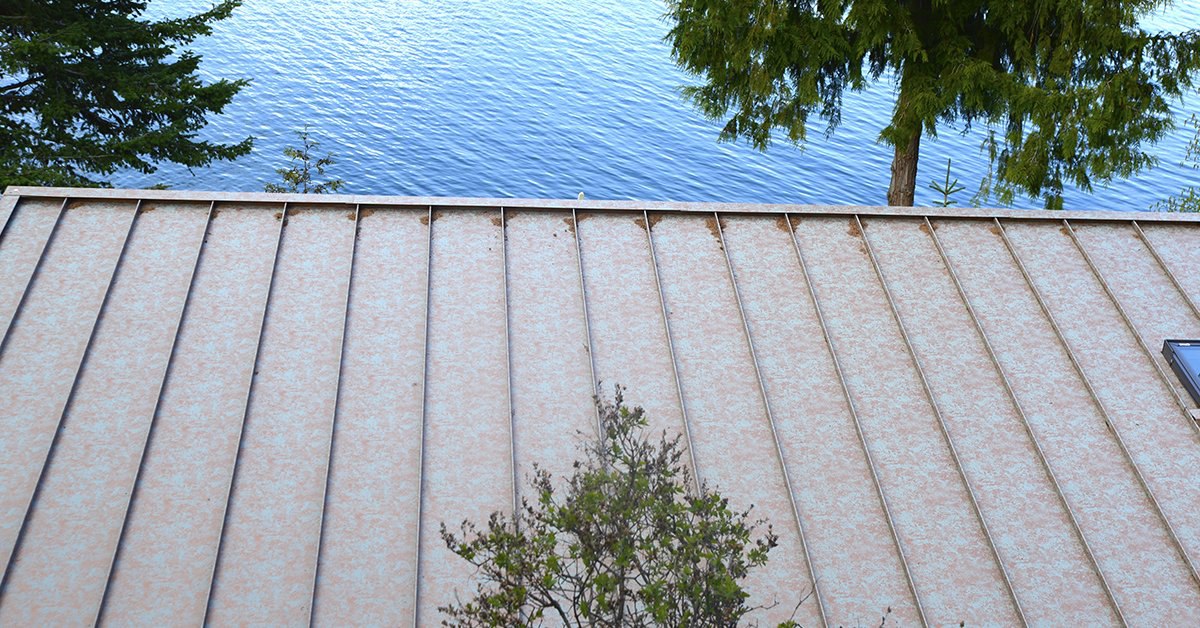
Quality metal systems use Galvalume or coated steel designed to resist corrosion. When paired with stainless or coated fasteners and proper detailing, metal roofs hold up exceptionally well in salty environments.
Cheap metal installs fail early because of:
- Incorrect fasteners
- Poor flashing details
- No separation from moisture
Architectural Shingles
Shingles don’t rust, but they do deteriorate from UV exposure, algae growth, and moisture retention — especially in shaded or low-slope areas.
Over time, granule loss accelerates aging and exposes the asphalt base.
Maintenance & Long-Term Cost


4
Metal Roofing
- Minimal maintenance
- Occasional fastener checks (on exposed systems)
- Rare replacement
Higher upfront cost — but far lower lifetime cost.
Architectural Shingles
- More frequent repairs after storms
- Higher chance of partial replacements
- Shorter replacement cycle
Lower upfront investment — but more frequent expenses over time.
Insurance Considerations
Metal roofs often qualify for:
- Better wind resistance classifications
- Potential insurance discounts
- Improved resale value
Shingle roofs usually don’t receive the same benefits unless paired with enhanced wind mitigation upgrades.
So… Which Roof Actually Lasts Longer?
In Gulf Coast conditions, metal roofing clearly outperforms architectural shingles in lifespan, storm resistance, and long-term value.
That said, architectural shingles remain a great option when:
- Budget is a major factor
- The home design favors shingles
- Installation is done correctly with upgraded underlayment and decking standards
The real deciding factor isn’t just material — it’s installation quality.
We regularly replace “new” roofs that failed early because corners were cut.
Our Approach at Ensured Roofing
At Ensured Roofing, we install both metal and architectural shingles — but every system we build follows coastal code, manufacturer specs, and our internal quality standards:
✔ Proper tear-off (no shortcuts)
✔ High-performance underlayment
✔ Correct flashing and transitions
✔ Coastal-rated fastening
✔ Full documentation
✔ Lifetime labor warranty
We don’t sell roofs.
We provide property protection built for the Coast — built to last.
Thinking About Replacing Your Roof?
If you’re weighing metal vs shingles, we’re happy to walk your property, document conditions, and help you choose the right system for your home and budget.
📞 Schedule a free inspection today.